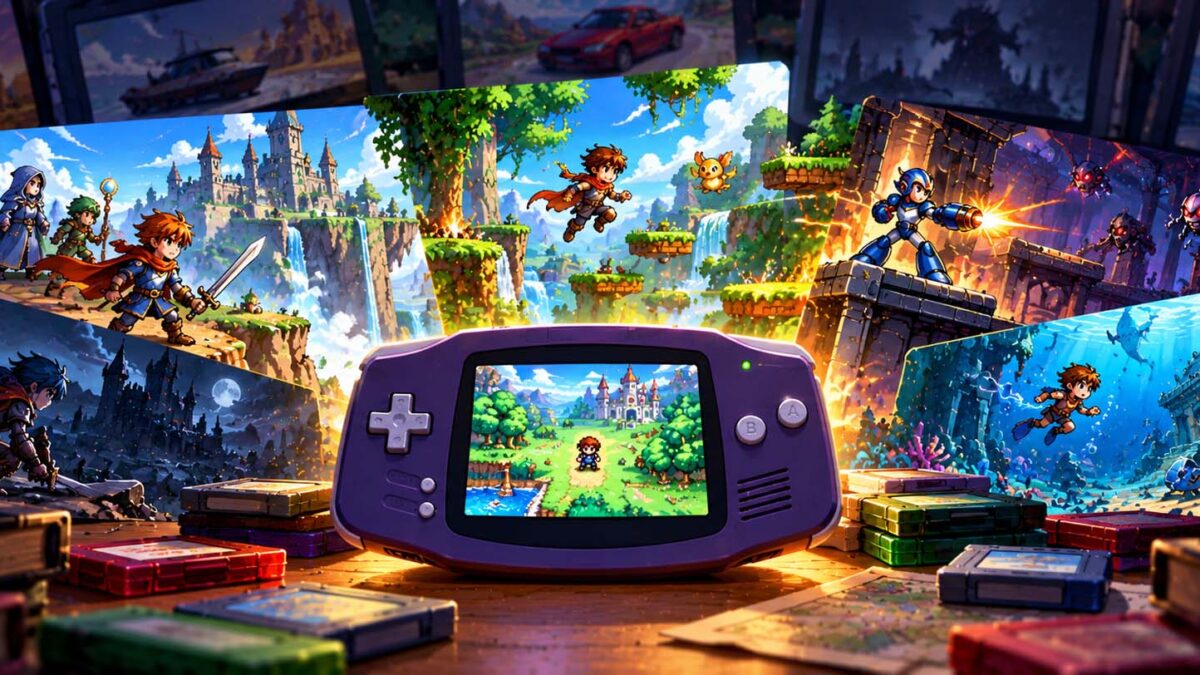
Games have been a cornerstone of human entertainment for thousands of years. From ancient civilizations playing simple strategy games to today’s immersive digital worlds powered by cutting-edge 91 Club, gaming has evolved into one of the most influential industries on the planet. Modern games entertain billions of people, foster creativity, encourage learning, and connect players across cultures and continents.
The gaming industry now spans multiple platforms, including smartphones, personal computers, gaming consoles, cloud services, and virtual reality devices. Players can enjoy everything from quick puzzle games during a lunch break to massive online adventures that span hundreds of hours. Whether the goal is relaxation, competition, exploration, or storytelling, games provide experiences tailored to nearly every interest and age group.
This detailed guide explores the history of games, the most popular genres, the technology behind modern gaming, its educational and social benefits, the challenges players should understand, and the future of this ever-evolving industry.
What Are Games?
A game is a structured activity designed around rules, objectives, challenges, and player interaction. Games can be played for entertainment, education, competition, skill development, or social engagement. While every game is unique, most share several essential elements:
- Clear objectives
- Defined rules
- Interactive gameplay
- Challenges to overcome
- A progression or reward system
- Opportunities for learning and improvement
Games may be played alone, cooperatively with others, or competitively against human or computer-controlled opponents.
The History of Games
Ancient Origins
The history of games stretches back more than 5,000 years. Archaeological discoveries reveal that many ancient civilizations developed games to entertain, educate, and strengthen strategic thinking.
Some of the earliest known games include:
- Senet from Ancient Egypt
- The Royal Game of Ur from Mesopotamia
- Go from China
- Chess from India
- Mancala from Africa
These games laid the foundation for many modern strategy and board games.
The Rise of Board Games
During the Industrial Revolution, advances in manufacturing made board games widely available. Families gathered around tables to enjoy games that encouraged planning, communication, and friendly competition.
Many traditional board games introduced concepts such as:
- Resource management
- Strategy
- Probability
- Teamwork
- Critical thinking
Even today, board games remain popular for family gatherings and social events.
The Digital Gaming Revolution
The invention of computers transformed gaming forever. Arcade machines introduced electronic entertainment to the public, followed by home consoles that brought gaming into living rooms.
Major milestones include:
- Arcade gaming
- Home consoles
- PC gaming
- Online multiplayer gaming
- Mobile gaming
- Cloud gaming
- Virtual reality
- Augmented reality
Each innovation expanded gaming’s possibilities and attracted new audiences.
Why Games Are So Popular
Games continue to attract players because they combine challenge, creativity, achievement, and exploration.
People play games for many reasons, including:
- Entertainment
- Stress relief
- Competition
- Social interaction
- Storytelling
- Personal achievement
- Creative expression
- Skill development
The enormous variety of available games ensures there is something suitable for nearly every player.
Major Types of Games
Action Games
Action games emphasize speed, timing, and quick decision-making.
Common gameplay elements include:
- Combat
- Platform jumping
- Shooting
- Dodging obstacles
- Boss encounters
- Fast movement
These games often reward precision and strong hand-eye coordination.
Adventure Games
Adventure games focus on exploration and narrative.
Players often:
- Solve puzzles
- Complete quests
- Discover hidden areas
- Meet memorable characters
- Explore immersive worlds
Storytelling is usually central to the experience.
Role-Playing Games (RPGs)
Role-playing games place players in fictional worlds where characters grow stronger over time.
Typical features include:
- Character customization
- Skill progression
- Equipment upgrades
- Dialogue choices
- Side quests
- Open-world exploration
Many RPGs provide dozens or even hundreds of hours of gameplay.
Strategy Games
Strategy games emphasize planning over reflexes.
Players manage:
- Resources
- Cities
- Economies
- Military forces
- Diplomacy
- Technology
Success depends on careful analysis and long-term decision-making.
Simulation Games
Simulation games recreate real-world systems or activities.
Examples include:
- Farming
- Driving
- Flight simulation
- Business management
- City building
- Life simulation
Many simulations combine realism with creative freedom.
Sports Games
Sports games digitally recreate athletic competitions.
Popular sports represented include:
- Soccer
- Basketball
- Baseball
- Tennis
- Golf
- Racing
Modern sports games feature realistic physics and licensed teams.
Puzzle Games
Puzzle games challenge logical thinking and creativity.
Players solve problems involving:
- Patterns
- Mathematics
- Memory
- Logic
- Sequencing
- Spatial awareness
Puzzle games appeal to players of nearly every age.
Multiplayer Games
Online multiplayer gaming allows people around the world to play together.
Popular multiplayer formats include:
- Cooperative adventures
- Team competitions
- Massive online worlds
- Survival games
- Battle arenas
These games encourage teamwork and communication while building global communities.
Gaming Platforms
Personal Computers
PC gaming offers exceptional flexibility and performance.
Advantages include:
- Powerful hardware
- High-resolution graphics
- Extensive game libraries
- Hardware customization
- Keyboard and mouse controls
- Community-created modifications
Many competitive gamers prefer PC platforms.
Gaming Consoles
Consoles provide a streamlined gaming experience.
Benefits include:
- Easy setup
- Comfortable controllers
- Stable performance
- Exclusive game titles
- Family-friendly entertainment
Modern consoles support both offline and online gameplay.
Mobile Gaming
Smartphones have dramatically expanded gaming accessibility.
Advantages include:
- Portability
- Convenience
- Affordable games
- Touchscreen controls
- Frequent updates
Mobile gaming reaches billions of users worldwide.
Cloud Gaming
Cloud gaming streams games from remote servers rather than local hardware.
Benefits include:
- Reduced hardware requirements
- Automatic updates
- Cross-device compatibility
- Instant game access
As internet infrastructure improves, cloud gaming continues growing rapidly.
Technologies Behind Modern Games
Graphics Engines
Modern graphics engines create realistic virtual environments using advanced rendering techniques.
Features include:
- Dynamic lighting
- High-resolution textures
- Weather effects
- Shadows
- Smooth animations
- Environmental detail
These technologies significantly increase immersion.
Artificial Intelligence
Artificial intelligence enhances games by providing:
- Intelligent opponents
- Adaptive difficulty
- Dynamic storytelling
- Personalized gameplay
- Realistic non-player characters
AI continues becoming increasingly sophisticated.
Physics Engines
Physics systems simulate realistic interactions involving:
- Gravity
- Water
- Fire
- Vehicle movement
- Explosions
- Object collisions
These systems make digital worlds feel more believable.
Motion Capture
Motion capture records real human movement and converts it into realistic character animations.
This technology is widely used in sports games, action adventures, and cinematic storytelling.
Educational Benefits of Games
Games can strengthen valuable cognitive skills.
Players often improve:
- Problem-solving
- Memory
- Concentration
- Decision-making
- Critical thinking
- Strategic planning
Educational games also help students learn mathematics, science, languages, geography, and programming through interactive experiences.
Creativity Through Gaming
Many games encourage creative thinking.
Players can:
- Build cities
- Design structures
- Create stories
- Customize characters
- Develop virtual worlds
- Experiment with different solutions
These creative opportunities make gaming an engaging artistic medium.
Social Benefits of Gaming
Gaming has become an important social activity.
Online games help players:
- Meet new friends
- Build communities
- Practice communication
- Develop teamwork
- Improve leadership skills
Many lifelong friendships begin through shared gaming experiences.
The Growth of Esports
Competitive gaming has developed into a global industry.
Professional esports includes:
- International tournaments
- Professional organizations
- Live streaming
- Sponsorships
- Coaching
- Large prize pools
Millions of spectators watch esports competitions every year, making competitive gaming one of the fastest-growing entertainment sectors.
Challenges in Modern Gaming
Although gaming offers many advantages, responsible play remains essential.
Screen Time
Long gaming sessions may contribute to:
- Eye strain
- Poor posture
- Reduced physical activity
- Sleep disruption
Taking regular breaks promotes healthier habits.
Online Safety
Players should protect themselves by:
- Using strong passwords
- Enabling multi-factor authentication
- Avoiding suspicious links
- Protecting personal information
- Reporting abusive behavior
Safe online practices improve everyone’s experience.
In-Game Purchases
Many games include optional purchases such as:
- Cosmetic items
- Expansion packs
- Battle passes
- Downloadable content
Setting a personal budget helps players enjoy games responsibly.
Future Trends in Gaming
Technology continues transforming interactive entertainment.
Artificial Intelligence
Future AI systems may create:
- Personalized stories
- Smarter virtual companions
- Dynamic game worlds
- Adaptive missions
These innovations could make every playthrough unique.
Virtual Reality
Virtual reality is becoming increasingly immersive through improved displays, motion tracking, and realistic interactions.
Augmented Reality
Augmented reality combines digital objects with the physical environment, creating new forms of interactive gameplay.
Cloud Computing
Cloud technology will continue reducing hardware requirements while making high-quality games accessible to more players.
Cross-Platform Gaming
More developers are supporting cross-platform play, allowing users on different devices to play together without restrictions.
Tips for Healthy Gaming
To maintain a balanced gaming lifestyle:
- Set daily playtime limits.
- Take breaks every hour.
- Maintain proper posture.
- Stay physically active.
- Get enough sleep.
- Protect online accounts with strong security.
- Balance gaming with school, work, and family life.
- Choose games appropriate for your interests and age.
Responsible habits help ensure gaming remains enjoyable over the long term.
The Future of Interactive Entertainment
Gaming is expanding beyond traditional entertainment into education, healthcare, architecture, engineering, scientific research, and workforce training. Technologies originally developed for games are now used to create realistic medical simulations, virtual classrooms, collaborative design tools, and immersive training programs.
As artificial intelligence, graphics technology, cloud infrastructure, and immersive devices continue advancing, future games will become increasingly realistic, accessible, and personalized. Players can expect richer stories, smarter virtual characters, seamless multiplayer experiences, and interactive worlds that respond naturally to their decisions.
Conclusion
Games have evolved from simple recreational activities into one of the world’s most innovative and influential forms of entertainment. They combine technology, storytelling, creativity, education, competition, and social interaction to create experiences enjoyed by billions of people worldwide.
Whether someone enjoys strategy games, immersive adventures, sports simulations, creative sandbox experiences, or competitive multiplayer matches, gaming offers endless opportunities for learning, exploration, collaboration, and fun. As emerging technologies continue reshaping the industry, games will remain at the forefront of digital innovation, inspiring future generations while connecting people across cultures through shared interactive experiences.