White coffee for drip brewing can work well, but the brewing process may behave differently from a typical medium or dark roast. Exceptionally light-roasted coffee tends to be denser and harder, and its less-developed structure can affect how quickly water extracts flavor from the grounds.
For anyone using an automatic drip machine, the basic process remains simple: add the appropriate amount of coffee and water, start the brewer, and let the machine complete its cycle. However, small adjustments to grind size, dose, and brewing conditions can make a noticeable difference in the finished cup.
Why Does Light Coffee Behave Differently in a Drip Machine?
Roasting changes the physical structure of coffee beans. As beans receive more heat and roast development, they expand and become more porous.
An unusually light roast experiences less of this transformation. The beans can therefore remain compact and dense, which may make extraction more challenging.
This matters because drip brewing depends on water passing through a bed of ground coffee. The water needs to penetrate the grounds and dissolve desirable compounds before flowing through the filter.
If extraction is too limited, the coffee can taste thin, sharp, sour, or incomplete.
Choosing the Right Grind for Drip Brewing
Grind size is one of the most important variables in drip coffee.
A medium grind is a practical starting point for many automatic drip brewers. However, the ideal setting depends on the specific machine, filter, coffee, and brewing cycle.
If the coffee tastes weak or under-extracted, a slightly finer grind can slow the flow of water and increase contact with the grounds. If the brew becomes excessively slow or tastes harsh and dry, moving somewhat coarser may help.
With dense light-roasted beans, grinding can also be more demanding. A grinder needs to produce reasonably consistent particles without struggling with the hardness of the beans.
Does Water Temperature Matter?
Yes. Water temperature affects how efficiently soluble compounds move from the coffee grounds into the brewing water.
Very light coffee can require careful extraction because the beans have undergone less roast development. If the water is not extracting effectively, the resulting cup may lack sweetness and depth.
Rather than changing everything at once, adjust one variable at a time. If your machine provides temperature control, a small change can help you determine whether temperature is contributing to the problem.
For machines without temperature adjustments, grind size and coffee-to-water ratio provide other ways to influence the extraction.
How Much Coffee Should You Use?
The amount of coffee relative to water determines the concentration of the finished beverage.
A useful approach is to begin with the recipe recommended for your drip machine and then adjust according to taste. If the coffee is too weak, increasing the coffee dose may produce a fuller cup. If it is too intense, reducing the dose or increasing the water may help.
It is useful to keep the ratio consistent while experimenting with grind size. This makes it easier to understand whether extraction, rather than simply concentration, is responsible for a change in flavor.
What Happens During the Brewing Cycle?
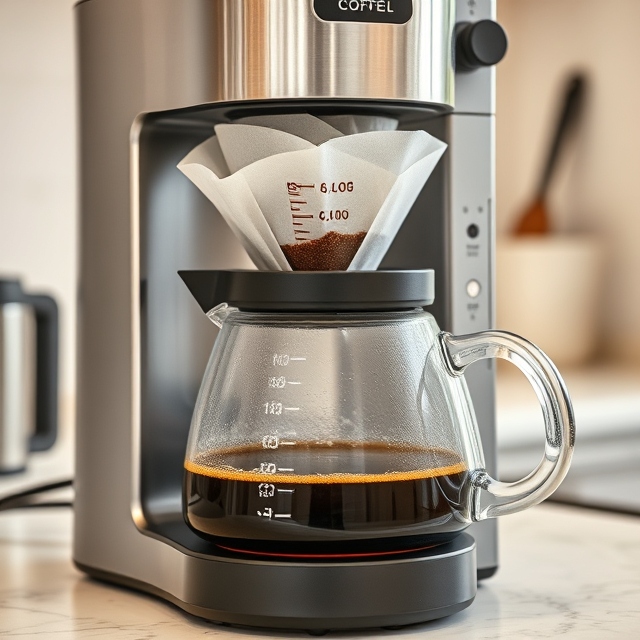
Automatic drip machines generally heat water and distribute it over the coffee grounds. The water then passes through the grounds and a filter before collecting in the carafe.
With very light coffee, even saturation becomes important. If water reaches some areas of the coffee more effectively than others, extraction may become uneven.
Some light coffee grounds can also expand noticeably as they absorb water. Using an appropriate amount of coffee for the filter basket gives the grounds enough space to interact with the incoming water without creating unnecessary problems.
How Does White Coffee Taste When Drip Brewed?
The flavor depends on the particular coffee, but an exceptionally light roast can produce a cup that differs considerably from darker coffee.
Instead of emphasizing smoky, heavily roasted notes, it may highlight nutty, cereal-like, herbal, fruity, or other characteristics. The brewing method can influence which of these qualities becomes most noticeable.
Drip brewing also produces a relatively clean cup because the paper filter removes much of the coffee sediment and some oils.
For people exploring different brewing options, white coffee for drip brewing provides a relevant starting point for understanding this unusual coffee style before adapting it to an automatic brewer.
What If the Coffee Tastes Too Sour?
A sour or sharp cup can sometimes indicate insufficient extraction, although flavor can also be influenced by the coffee itself.
If the brew tastes underdeveloped, consider using a somewhat finer grind. This increases the surface area available for water to contact and can slow the passage of water through the coffee bed.
If your machine allows it, brewing with sufficiently hot water may also help. Make only one adjustment at a time so you can identify what changes the result.
What If the Coffee Tastes Too Bitter or Dry?
If the coffee tastes harsh, bitter, or noticeably dry, extraction may be excessive.
Try a slightly coarser grind or review the amount of coffee being used. A recipe with too much coffee can also produce a stronger and less balanced beverage.
The objective is not simply to extract as much as possible. Good brewing aims for a balance between desirable flavor compounds and the overall concentration of the cup.
Is a Drip Machine Good for Very Light Coffee?
A drip machine can be a convenient way to prepare very light coffee, especially for people who want a repeatable everyday method.
Its main advantage is simplicity. Once the grind and coffee-to-water ratio are established, the machine can handle much of the brewing process automatically.
However, not every drip machine behaves the same way. Some offer greater control over temperature and flow, while basic models provide fewer adjustment options.
For an unusually light roast, having some control over grind size is often more important than owning a complicated brewer.
A Simple Starting Approach
When preparing light coffee in a drip machine, begin with a medium grind and a sensible coffee-to-water ratio. Brew a cup and evaluate its flavor.
If it tastes thin or sharp, experiment with a finer grind or another extraction adjustment. If it tastes excessively harsh or dry, try reducing extraction through a coarser grind or recipe change.
Keep notes when experimenting, particularly if you are using a coffee that behaves differently from your usual beans. After a few adjustments, you can establish a repeatable recipe that suits both the coffee and your machine.
The main difference is that very light coffee rewards attention to extraction. Once grind size, water, ratio, and brewing conditions are balanced, a drip machine can provide a practical way to explore the distinctive character of an unusually light roast.